CHINA WATCH
China Watch speaks out for China in defence of its fundamental freedoms and human rights guaranteed.
-
PERSECUTION OF TIBETANS, UYGHURS, CHRISTIANS, AND FALUN GONG PRACTITIONERS RAISED AT EVENT IN THE HOUSE OF COMMONS, CO-ORGANISED BY CHINA WATCH AND TIBET WATCH
On Wednesday the 15th of May 2024 China Watch and Tibet Watch organised a joint meeting in the House of Commons focusing on Freedom of Religion in China. The host and chair of the meeting was the Rt Hon Fiona Bruce MP the Prime Minister’s Special Envoy for Freedom of Religion and Belief. The panellists…
-
Speech by the Director of China Watch, David Hardingham at the The European Preparatory Meeting for the National Affairs Conference held at the Royal National Hotel in London on the 21/1/24.
Human rights abuses in China range from restrictions on freedom of speech, religion, and assembly – to concerns about arbitrary detention. And in particular concerning the Falun Gong community, the Tibetans, the Uyghurs and the Hongkongers. While China officially recognizes the major religions – they place severe restrictions on religious groups like the Falun Gong…
-
Eileen Gu and Niu Tengyu: one world but with two contrasting youth
By Junius Tian One of the pathetic circumstances in this world is when two individuals of similar age live under the same sky and on the same land: one basks in the adoration of countless people as a star, experiencing abundant glory and favor, while the other endure the vicissitudes of life and the sorrow,…
ABOUT US
Promotion of human rights in mainland China, Hong Kong, Xinjiang and Tibet by: monitoring abuses, research into human rights issues and providing technical advice; publishing in-depth reports; raising awareness of, and promoting public support for, human rights issues; facilitating discussion and engagement with human rights in civil society; and international advocacy of human rights, and Supporting Chinese dissidents in China, life in UK, Chinese in UK, Chinese overseas students in UK.
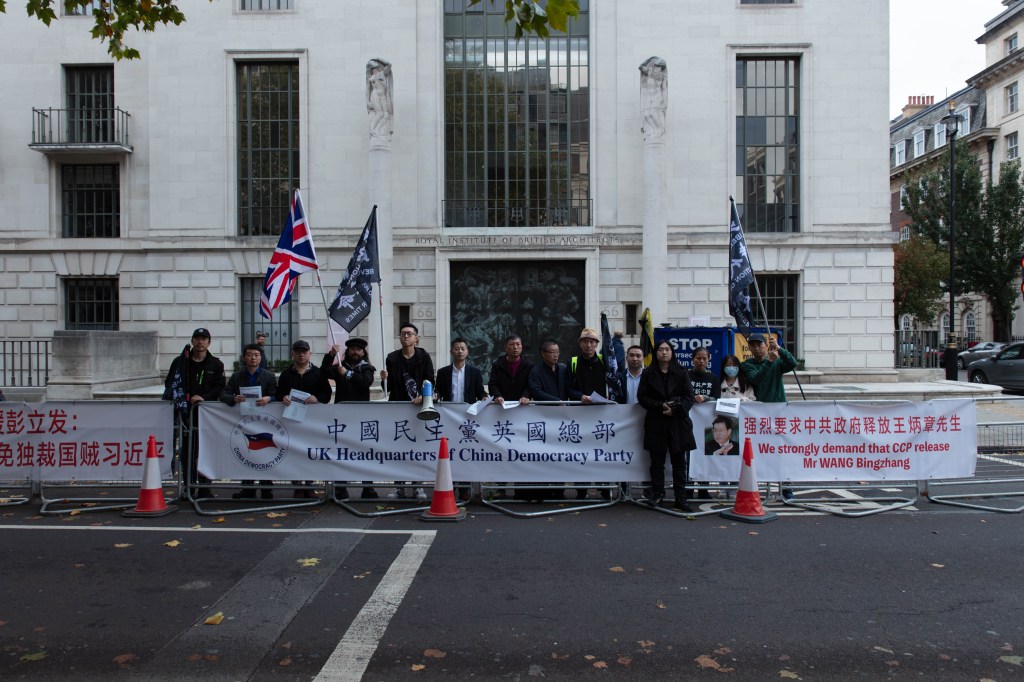
Strong demand for the release of Dr. Wang Bingzhang from the Chinese government.
23 October 2022
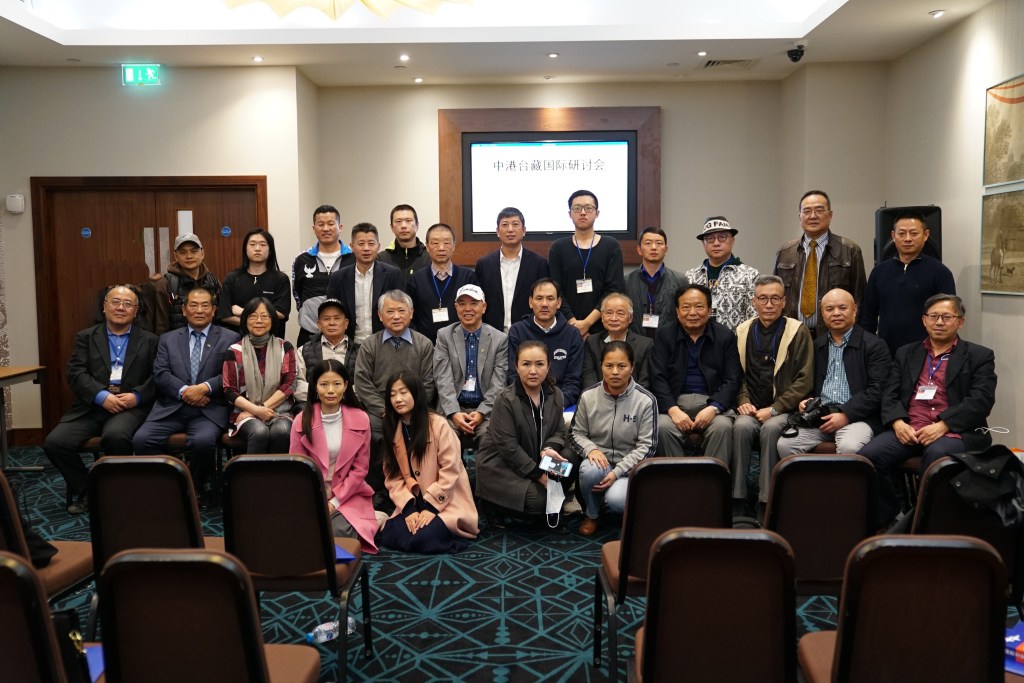
International Symposium on China, Hong Kong, Taiwan and Tibet Politics
26 April 2022
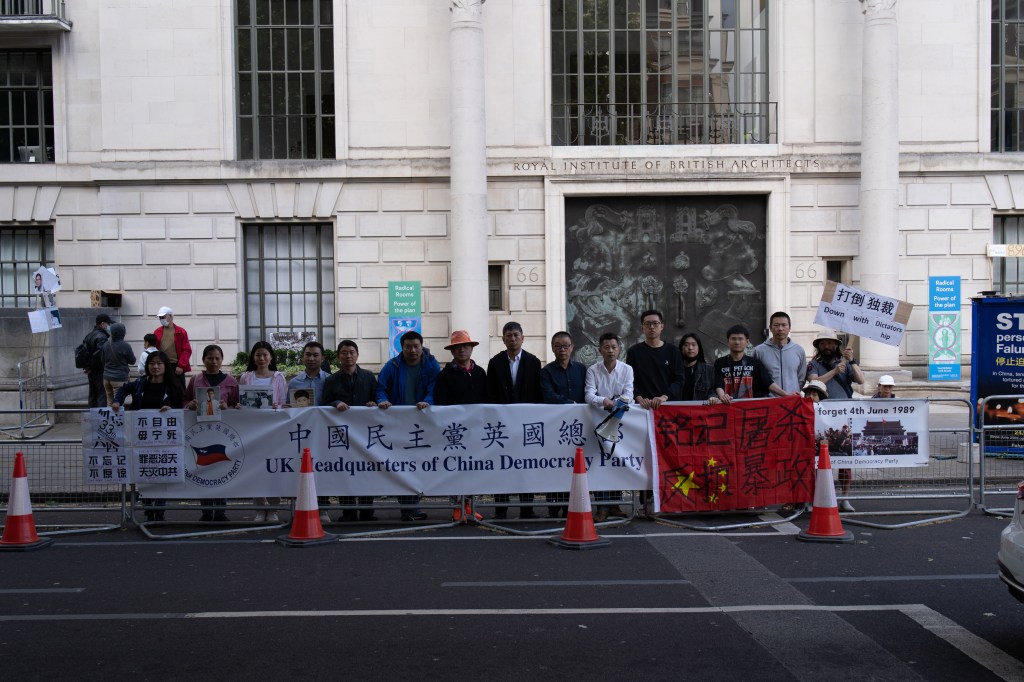
Commemoration of the 33rd anniversary of the Tiananmen Square Massacre
6 June 2022
WHAT WE DO
China Watch provides independent, comprehensive analysis and thought leadership on freedom and human rights in China. We do this by:
- Monitoring and reporting developments in China and international responses
- Providing high-level, authoritative and cutting-edge analysis of the situation
- Regularly updating Parliamentarians, government officials and the media in the UK and further afield
- Bringing together influential voices for high-level events on the situation in China
- Providing an unbiased platform for China civil society actors to share their perspectives
